
Creating an Effortless Interior
I've always liked homes that look like they've simply come together, quietly, over time, without too much planning. The kind where you can't tell what's new and what's been there for decades. A little uneven, but in the best possible way.
For me, that's what "effortless" really means. Not careless, but lived in. A room layered with things that hold a story, a faded fabric, a door that's seen a hundred coats of paint, a lamp that once belonged to someone's grandmother. When everything has a past, the space feels grounded. You stop decorating and start collecting.

Let the Room Tell You What It Needs
Every home has its own rhythm, shaped by the bones of the building and the landscape around it. Before you add anything, it's worth noticing what's already there. A sun-bleached beam, a dented brass handle, a wall that catches the afternoon light differently than the rest of the house. You don't need to force charm into a room. It's usually already there, waiting to be noticed and left alone rather than covered up.
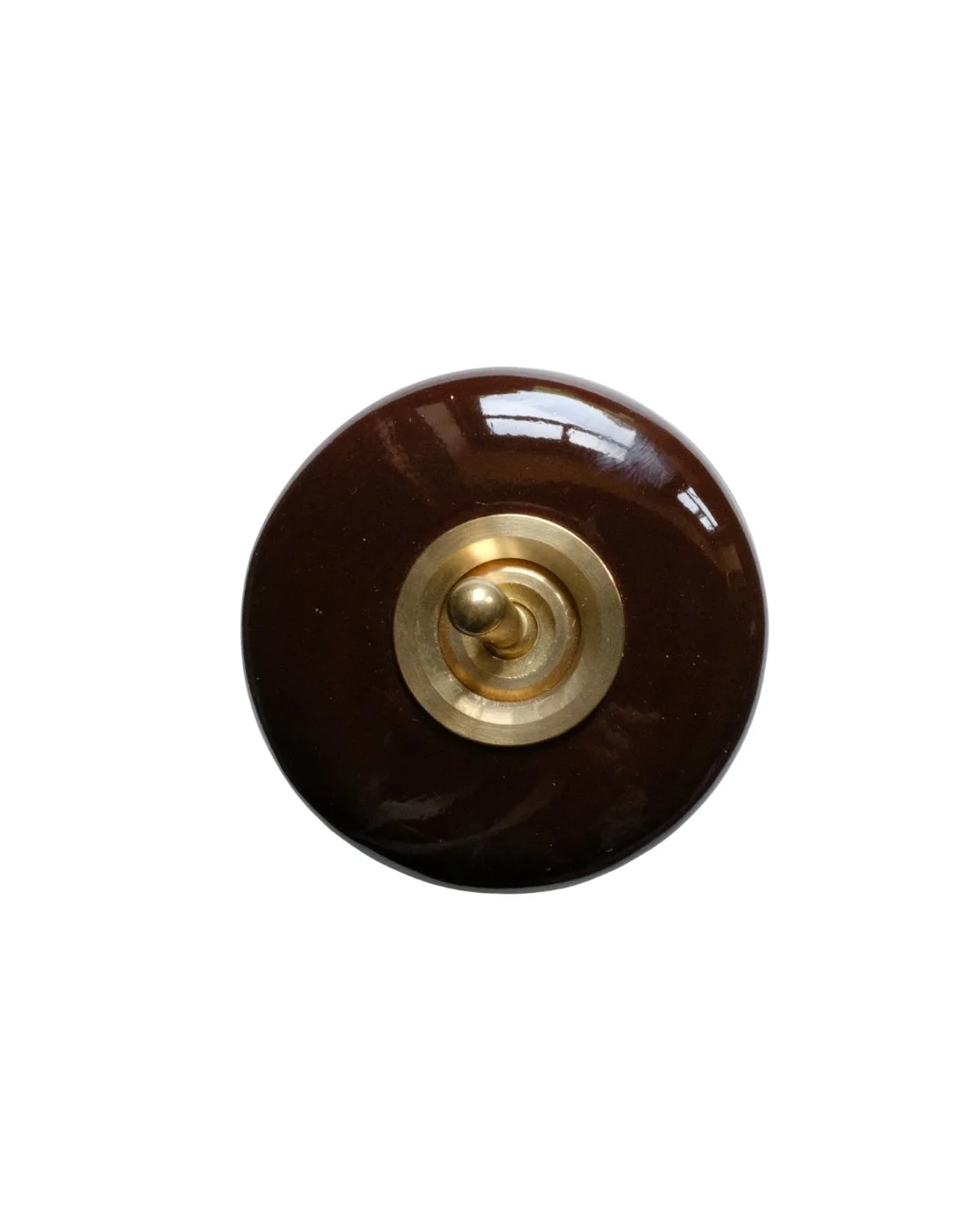
Once you've noticed it, the trick is to keep going in that direction rather than against it. If a house already has old, uneven detail, let the new additions follow that lead. A porcelain switch with a solid brass toggle works because, in an older house especially, it looks like it never left. Not an addition, just something that was always there, doing its job quietly. That's really the whole point: making the practical beautiful, so it stops reading as practical at all.
Break the Straight Lines
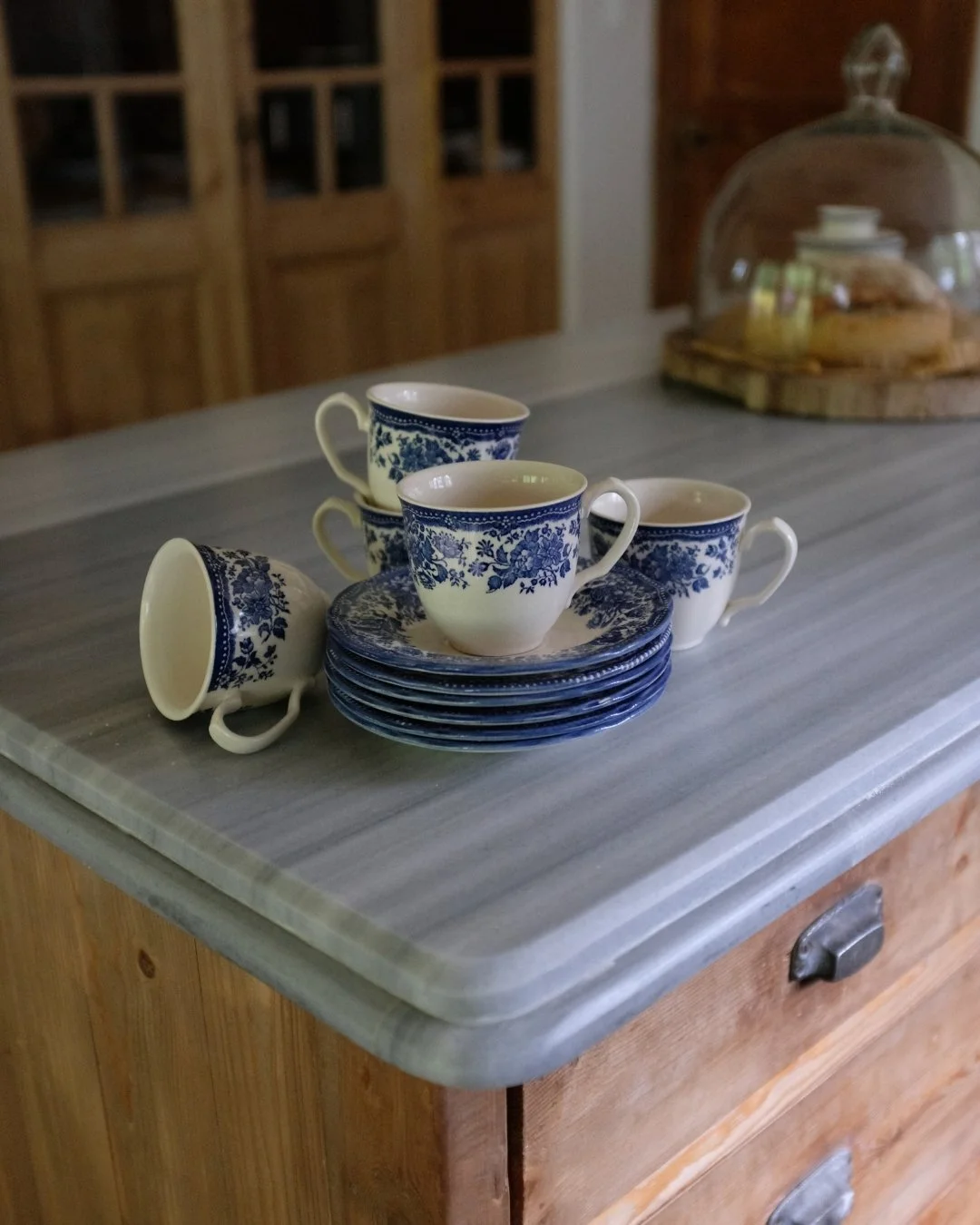
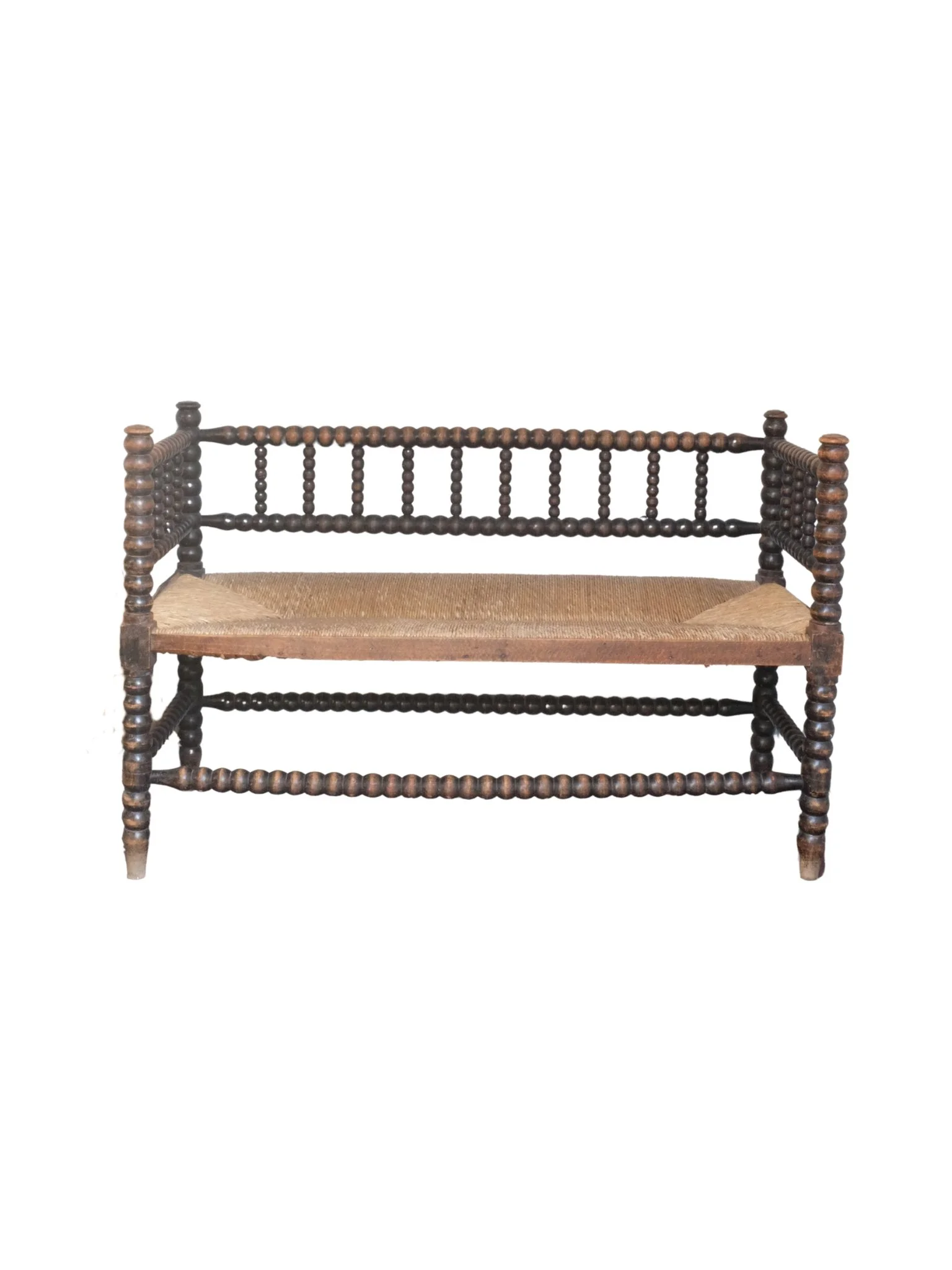
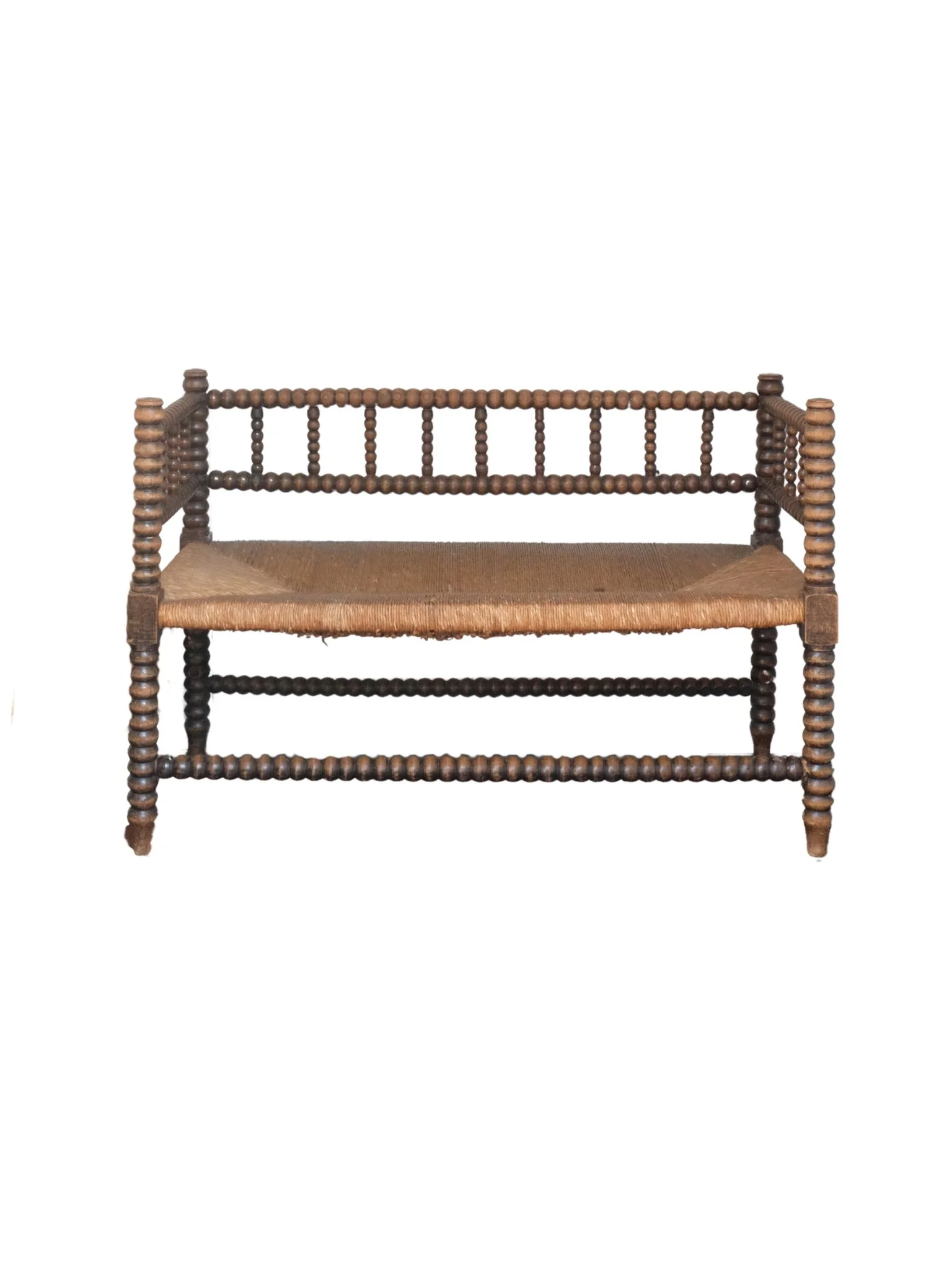
Most rooms, especially newer ones, are built from straight lines and flat, even surfaces. Skirting boards, worktops, shelving. Left alone, that precision starts to feel cold. The fix isn't to add more, it's to interrupt it, deliberately, with something the eye can tell was made by hand. A good rule: for every straight, machine-made surface in a room, find one object that isn't. An antique table with an uneven grain does this on the floor. A hand-thrown ceramic bowl does it on a shelf that's otherwise all right angles. Neither needs to be large or loud. It just needs to be the one thing in the room that clearly wasn't cut by a machine.
Let Things Be Used, Not Styled
The real test of an effortless room is whether it still looks right after someone's lived in it for a week. A pile of books on the floor. An old jug from the ceramics collection, holding whatever was cut from the garden that morning, not arranged for a photograph. A chair that's been moved a dozen times and still doesn't quite sit straight. If a piece can only look good the moment after it's been styled, it probably doesn't belong in a room you actually live in. Choose things that can take being used. That's usually where the beauty was all along.
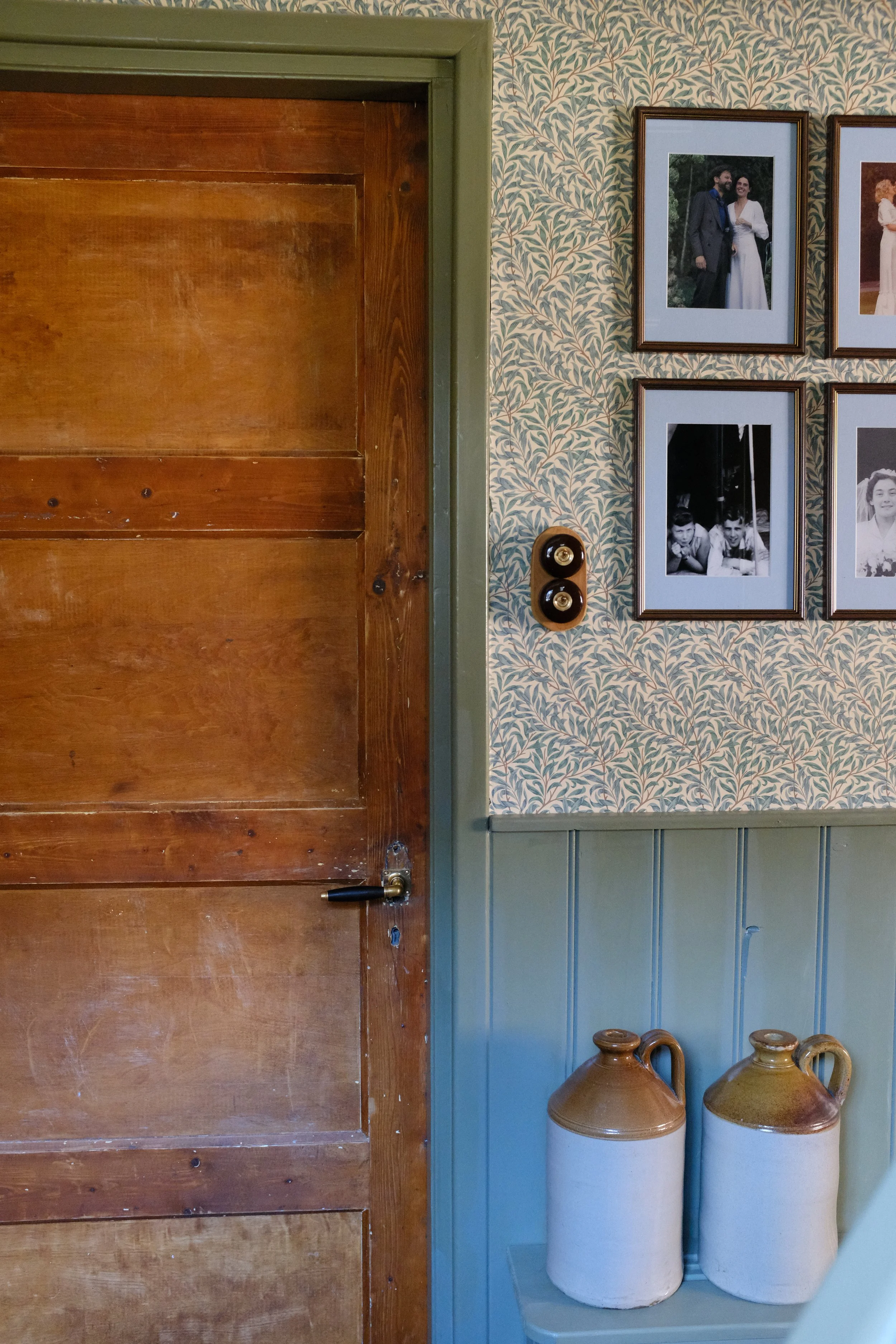
This classic surface-mounted light switch is crafted from smooth porcelain with a solid brass toggle, inspired by traditional switches found in old country houses. Together, the porcelain and warm brass bring a timeless, handcrafted character to any room.
As a surface-mounted design, it's ideal for older properties, renovations, or situations where recessed wiring isn't possible. It also doubles as a charming architectural detail.